Criminal Defense Lawyer Blog


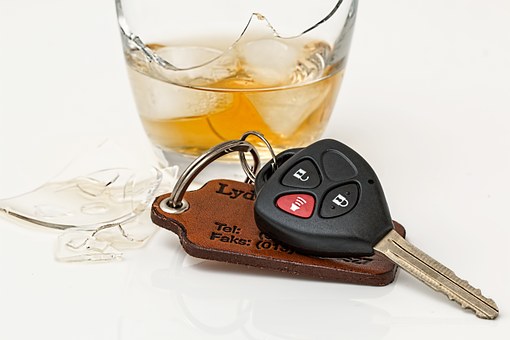 In 2016 Maryland lawmakers passed a law requiring anyone convicted of DUI or DWI to enroll in the engine interlock program. The engine interlock program requires drivers to install a “blow and go” device on a vehicle they own or operate, obtain a restricted license and then successfully complete a 12-month term using the device without violation. Testing over the limit or failing to keep the device calibrated often results in the MVA extending the program, and thus costing the driver more time and money. The law had originally been designed to apply to all defendants found guilty of impaired driving, but at the last minute was modified to exclude those who were granted probation before judgment or PBJ. PBJ allows a judge to sentence a defendant without imposing a permanent conviction and the resulting 8 or 12 points on the defendant’s driving record. PBJ is granted in more than half of Maryland DUI and DWI cases that result in a plea or finding of guilt, and with over 10,000 drunk driving arrests per year thousands of defendants leave court without a judge ordering interlock. Assuming the governor signs the bill into law, which at this point is a foregone conclusion, the interlock requirement will become law on October 1.
While the interlock requirement contained House Bill 105 will be celebrated by law enforcement and anti-drunk driving lobbyists alike, its impact may be overstated. Most Maryland drivers who are arrested for DUI or DWI already face mandatory interlock installation before they ever set foot in a courthouse. The MVA enforces an implied consent law to drug and alcohol testing. Anyone with a Maryland driver’s license can look on the back of his or her license to see a sentence that reads “Driving in Maryland implies consent to chemical testing for intoxication as required by law. Longer license suspensions may result from refusal to be tested.” Those who refuse to submit to a breath or blood test face an automatic 270-day license suspension that starts 46 days after the DUI arrest unless the driver enrolls in the interlock program. Those who submit to the test and produce a reading of .08 or higher face a 180-day suspension unless interlock is elected. There are a few exceptions to the general rule that all Maryland drivers who are charged with DUI or DWI must enroll in interlock. The first exception is if the driver takes the test and scores over .08 and under .15. These defendants may request a MVA hearing and petition for a restricted, work only license. Assuming PBJ is granted, a defendant in this scenario may be able to completely avoid interlock. The second exception is when a defendant tests under .08, or as is often the case with DUI drugs, tests .00. These defendants could currently be found guilty but avoid interlock if they are granted PBJ. In sum, the defendants who will be most impacted by the mandatory interlock law are those who don’t refuse and test less than .15.
With over 6,000 impaired driving accidents per year, it’s no wonder that Maryland lawmakers are pressing for harsher penalties for all DUI offenders and not just those who receive a conviction. At the same time, the MVA already enforces strict interlock laws that drastically affect drivers before they are ever found guilty of impaired driving. If you have been arrested for impaired driving contact Maryland DUI lawyer Benjamin Herbst anytime for a free consultation. Benjamin specializes in federal DUI cases, repeat offenders and out of state defendants. He has also successfully taken on numerous juvenile traffic offenses and other aggravated offenses such as DUI with a minor in vehicle, manslaughter by vehicle and DUI homicide. Contact Benjamin anytime for a free consultation at 410-207-2598. Additionally, if you have a drunk driving conviction that is more than 15 years old it may be eligible for expungement come October 1. Contact us for details about expungements anytime, or if you have a question about breath test refusals and what to expect after being charged with DUI in Maryland.